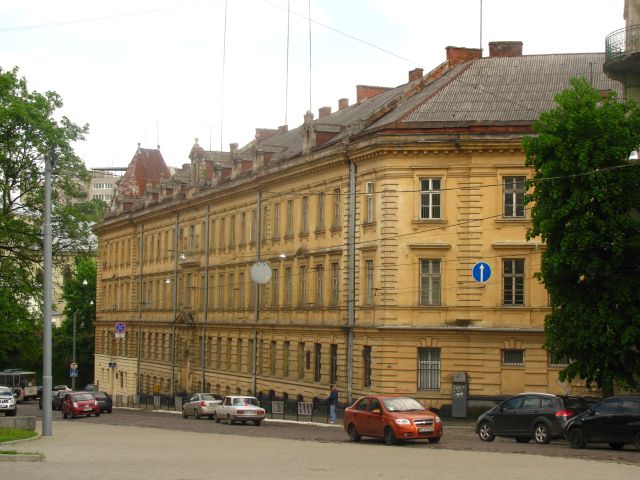
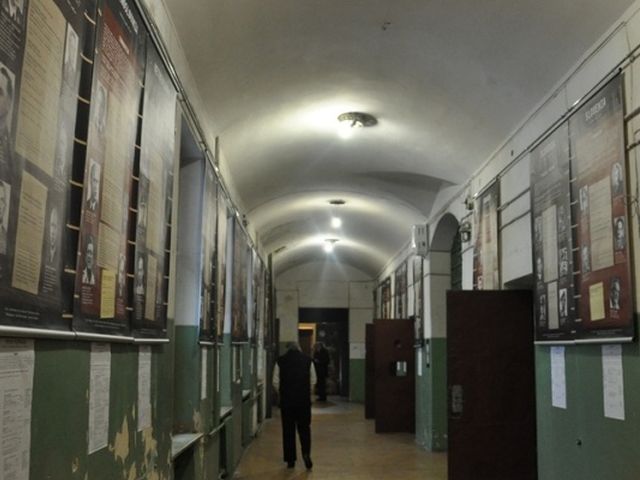
 The first stage of the exposition of the Memorial «Prison on Lontskogoa» has three storylines: the history of the building, prison life and mass shootings at the end of June 1941. It is located on the first floor. The entrance is open from Brullova Street (former Lontsky Street) — where it was when the prison was in operation. Part of the prison cells have been converted into exposition halls. There are stands in the corridors, on which the history of the building, the names of some of the executed prisoners and the texts of documents that regulated the stay in this prison in different periods are presented.
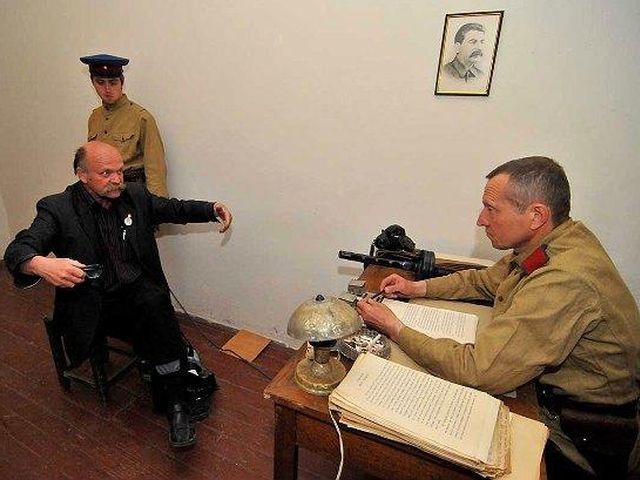 Lone cell, death row, investigator’s office and a unique photo laboratory — all this is available for viewing in the Memorial «Prison on Lontskogo». The truth about the terrible events of the summer of 1941 can be seen from rare movies and photos and heard from the mouths of former prisoners. The exhibition presents recently declassified «firing lists» and archival files on one of the most famous prisoners — Father Mykola Khmilevsky, the leader of the underground Greek Catholic Church and a member of the parliament of the warring Ukraine — the Ukrainian Main Liberation Council. The researchers have collected and placed on the memory ceiling all the known names of those tortured in 1941.
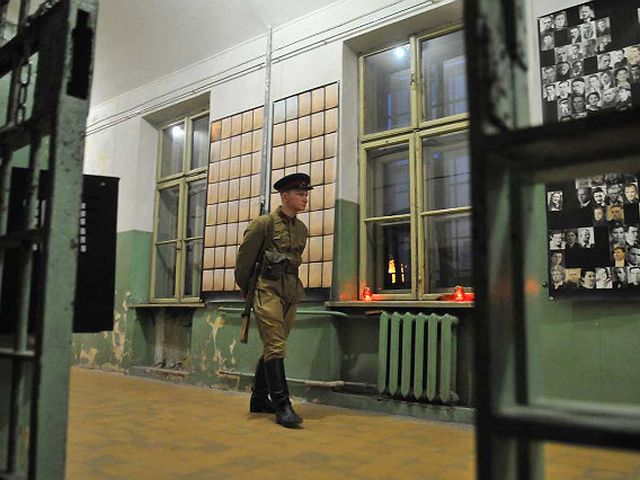 The main emphasis in the exposition is made on the bloodiest page in the history of the prison — mass shootings in late June 1941. One of the halls shows newsreel footage of the prison after the withdrawal of Soviet troops from Lviv at the end of June 1941.
In another room there are photos taken on the territory of the prison during this period, as well as Ukrainian newspapers of that time, which widely covered the crimes of the communist regime.
 Among the prison cells, in which the conditions of prison life are recreated, the so-called «Death Row» deserves special attention — in it prisoners were waiting for the execution of the sentence, which was often a firing squad.
In order to recreate the historical background of the tragic period in the history of the «Lontsky Prison» — the Soviet occupation — in a separate room there are reproductions of propaganda posters of that time, against the background of which there are recordings of songs like «My Motherland is Wide». This room demonstrates the stark contrast between official propaganda and real life in the USSR, particularly the conditions in the Lontsky prison.
At the end of the exposition, against the background of the stele commemorating those tortured in 1941, an «oral history» — recordings of memories of former prisoners — is played.