 Not far from Belogorsk, surrounded by orchards, green forests and high mountains is the village of Topolevka. In the XIX century this Greek village was called Toplu, which means «place, country, locality».
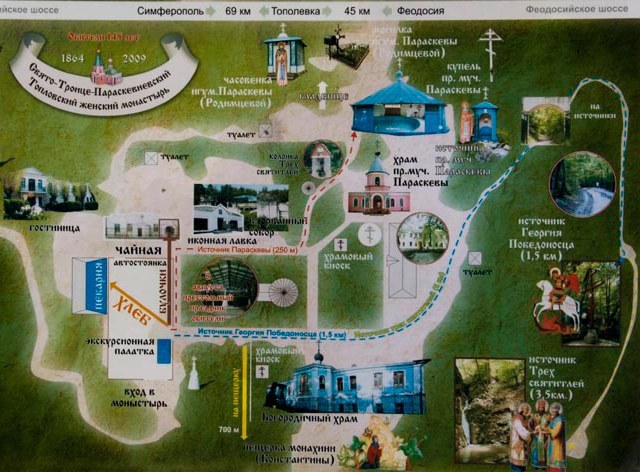
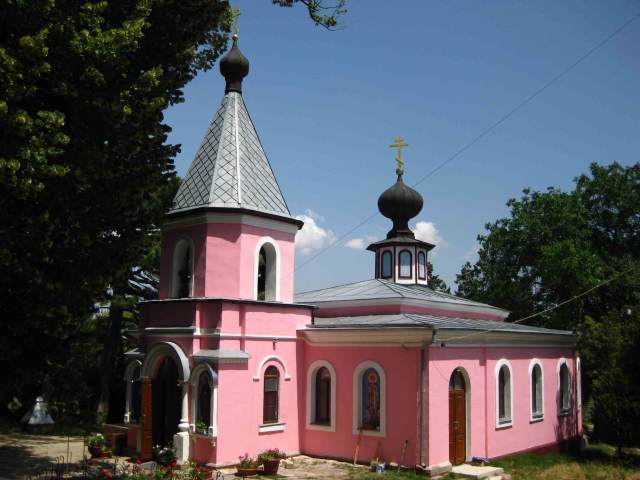
Near the village, on the slope of Mount Karatau, among the dense forest, is located Toplovsky Trinity-Paraskevievsky Nunnery. It was founded here in the middle of the XIX century, but in the Middle Ages Christians built their shrines in these places. The ruins of a Greek church and an Armenian church, restored in 1905 by the monastery, are still preserved in the vicinity of the monastery.
 The place for the Toplovsky monastery was chosen by Archbishop Innocent of the Kherson-Tauride diocese during his trip to Crimea. Vladyka made this decision after learning about the healing spring Chokrak-Saglyk-su (in Tatar «source of living, healthy water») located in these places, honored as holy by both Christians and Muslims. In addition, the local population kept in memory the ancient legend that it was here that the Holy Martyr Paraskeva underwent her last tortures. The spring is named after her.
In confirmation of the ancient legend at the source was miraculously found an icon of St. Paraskeva, taken later by Greek settlers to Mariupol, where it was kept in the Church of the Nativity of the Mother of God, and once saved the city from cholera.
However, the speedy fulfillment of the will of Archbishop Innocent prevented the Crimean War. 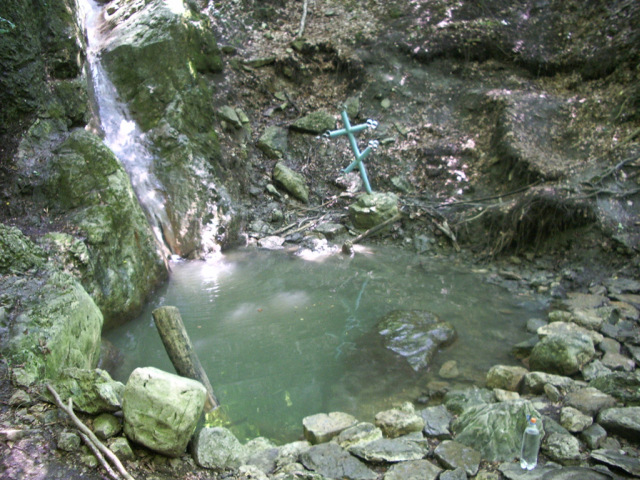 In the fifties of the XIX century at the source of St. Paraskeva settled Bulgarian girl Konstantina, before her death took monastic tonsure with the name Paraskeva, an amazing ascetic, through the efforts and fervent prayers of which appeared in the Crimea Kiziltash and Toplovsky monasteries. Later several other sisters settled there together with her.
In May — June 1863 near the source of Saint Paraskeva was built a church consecrated in honor of the Saint, and in September 1864 was the grand opening of the monastery.
 However, in 1928, due to socio-political changes and persecution of the Church, the monastery was closed for many years. The revival of the monastery began only in 1992. You can learn more about the rich and interesting history of the monastery below in the History of the Monastery section.
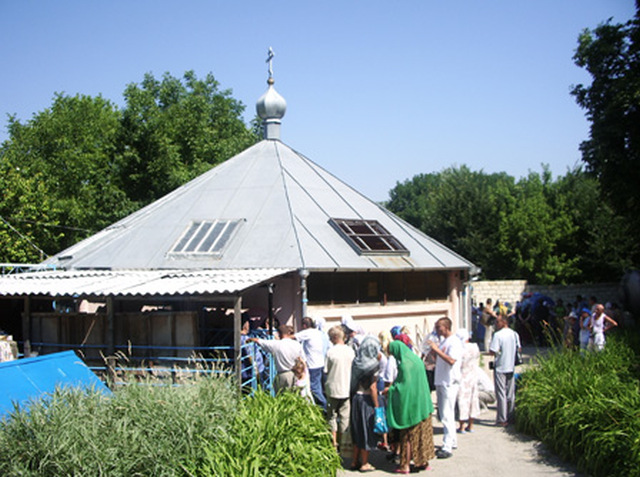
Today there is an active spiritual life in the Toplovsky monastery. Thirty nuns live in the monastery. The monastery, both on weekdays and on holidays, is visited by many pilgrims — to wash in the healing water of the spring of St. Paraskeva and the springs of St. George and the Three Saints, located above in the forest, to pray, to receive a blessing, and sometimes a saving word or advice.
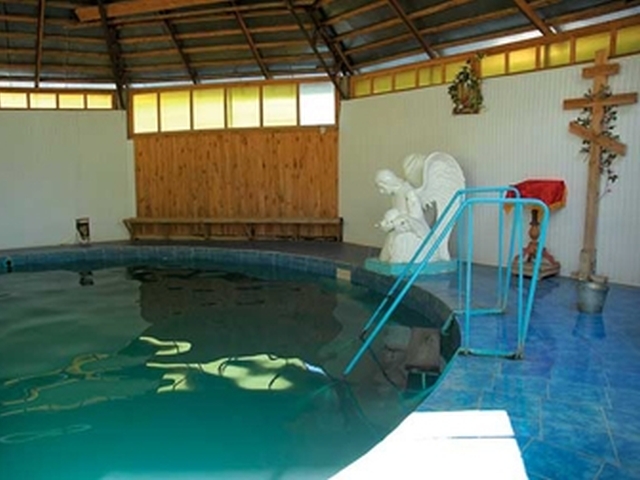 Miraculous healings and other evidences of gracious help to pilgrims often occur under the influence of the waters of the holy springs located in the monastery. In a special notebook, people who have been healed of their ailments write down their stories and praise the Lord.
Of special interest to pilgrims is the so-called «Cave of Constantine» — a small cave in the fold of the ravine, which can be entered only lying down. Inside it resembles a cross, its height is the height of a man. Obviously, the nuns prayed here in seclusion.
Every year the monastery becomes more and more well-equipped. Gradually rebuilt buildings, restored the chapel over the tomb of the first hegumen Paraskeva, opened a new well-equipped bathing where the waters of all three springs. The sisters have their own farm: vegetable garden, cows, goats, chickens, a small apiary. The work and prayers of the nuns, as well as the protection of St. Paraskeva help in the revival of this wonderful place.