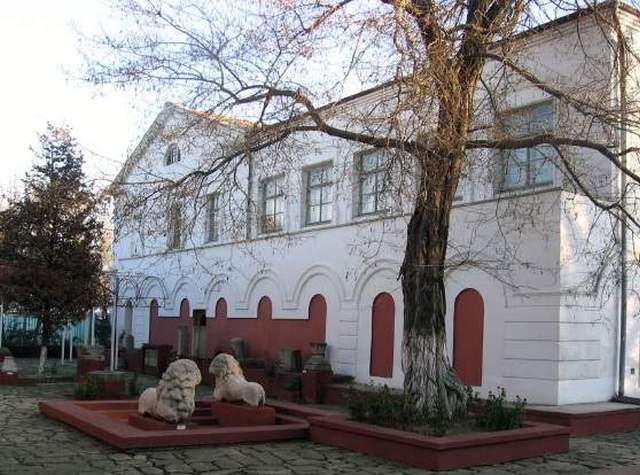
 Theodosia Museum of Antiquities (Museum of Local History) is one of the oldest museums in Europe, the oldest city museum in Ukraine. The history of the museum is one of the brightest pages in the annals of national local lore, historical science, archeology. Museum of Antiquities (Museum of Local History) was opened May 13 (25), 1811 on the initiative of Feodosia city governor S. M. Bronevsky, whose project on the establishment of the Museum of Antiquities in Feodosia Russian Emperor Alexander I approved by decree as early as November 8 (20), 1810.
The basis of the museum collection was a collection of antiquities Feodosia merchant Dzhevardzhi, acquired for 1000 rubles by decision of the City Council, lapidary monuments from the ruins of medieval Kaffa-Kefe, antiquities. 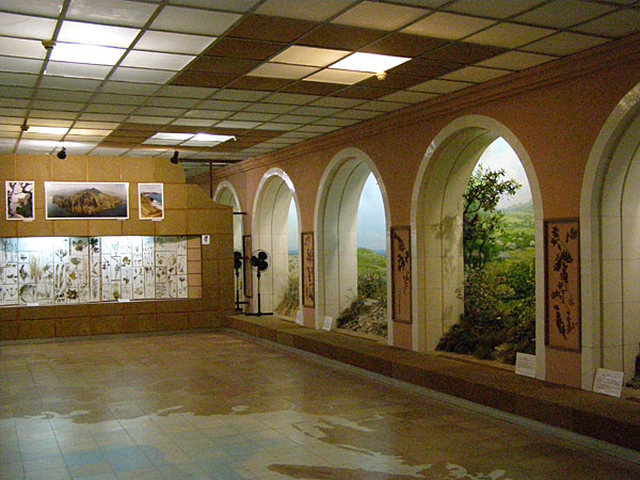 Some of the first exhibits — Hellenistic marble lions, a slab with the image of a griffin and many others — are presented in the modern exposition of the museum.
Over time, the collection of the new museum was replenished with finds from Kerch, Taman, Sudak and other places, gifts from various institutions, organizations and individuals. From the middle of the XIX century began to arrive materials of archeological excavations, including expeditions organized by the museum curators. For a long time the museum was called «local history museum».
The historical name «Feodosia Museum of Antiquities» was returned to the museum in 2010. Today the Museum of Antiquities (local history museum) is located in the center of Feodosia on Aivazovsky Avenue in the building of the former hotel «Genoese», 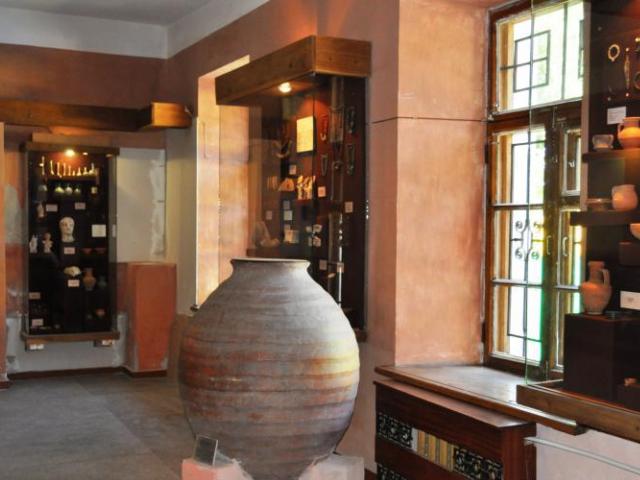 monument of architecture of the early 20th century. The museum collection is not without reason known for its amazing exhibits.
The exposition of the museum consists of three departments — nature, pre-revolutionary and Soviet.
Sections of the museum’s permanent exposition, exhibits of the lapidary courtyard and exhibitions familiarize visitors with the nature of the South-Eastern Crimea, the peoples of the region, the rich history of the city of Feodosia — Kaffa — Kaffa — Kaffa — Keffe — Feodosia. Antique Theodosia (6th century BC — 4th-5th centuries AD) was one of the largest Hellenic ports of the Northern Black Sea coast, an important area of the Bosporan state.
 The heiress of the Greek Theodosia was the Genoese Caffa (Kafa) — the largest city of medieval Taurica, an important center of international trade, which was founded on the site of ancient Theodosia by the Genoese in the 70s of the 13th century. In the 14th-15th centuries it was the capital of Genoa’s Black Sea colonies. From 1474 to 1771 the city of Kefe was the administrative center of the Turkish part of Crimea. In 1770s and 1783 it was the residence of the last Crimean khan Shagin-Giray.
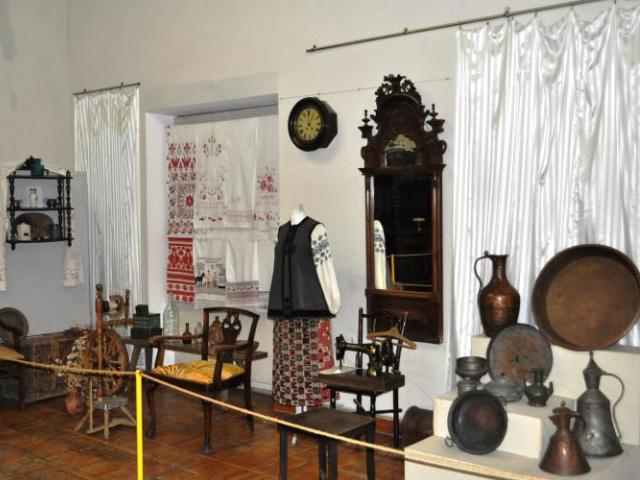
The museum includes unique antique and medieval epigraphic monuments, archaeological complexes from excavations of Feodosia and other ancient cities and settlements of southeastern Crimea. In the XX century the museum funds are replenished with ethnographic and documentary materials related to the history of Feodosia XIX — early XX century 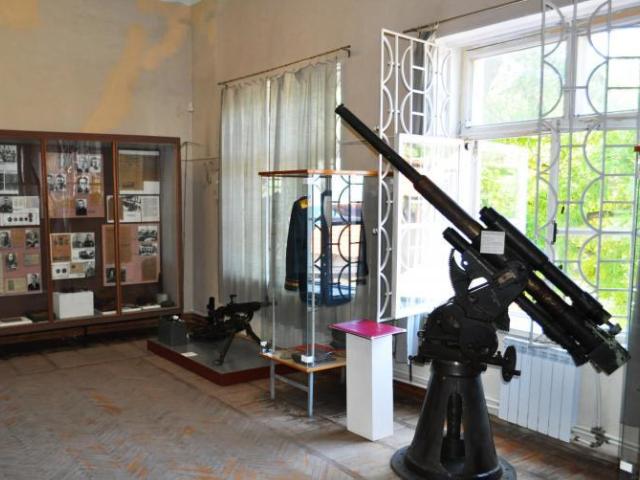 From the end of the 20s. The collections on the history of Feodosia in the modern times are formed, which later included materials on the struggle for the establishment of Soviet power in Crimea, as well as a significant fund of exhibits and documents dedicated to the feat of the Soviet people in the Great Patriotic War. Since the middle of the 20s, natural history collections of minerals, fossils and an extensive herbarium have been created. More than 5 thousand coins are included in the numismatic collection. The scientific library is rich (more than 11 thousand volumes) with rare editions of the XVIII-XIX centuries. In total, the museum funds contain more than 60 thousand exhibits, among them there are many unique ones.
The museum has a club of interesting meetings «Krugozor». Exhibitions of the collections are held annually.