Sistine Chapel in names and numbers
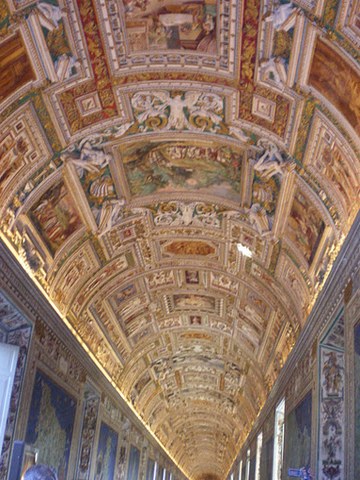
In 1483, on August 9, the Sistine Chapel was inaugurated, later becoming almost the most famous monument of the Renaissance.
The construction of the Chapel was ordered by Pope Sixtus IV, in the world known as Francesco dela Rovere. The new building replaced the earlier Great Chapel, the meeting place for cardinals and the numerous papal entourage in the Middle Ages.
The Chapel was designed by Baccio Ponteli and supervised by Giorgio de Dolci.
Conclaves, at which a new pope is elected, have been held here since the end of the XV century. The first to be elected in this building was Alexander VI — 214 Supreme Pontiff.
The author of the frescoes, with which Sistine Chapel is famous throughout the world, is Michelangelo, who spent 4 years of his life on the work (he worked alone, closed in the building from the inside). In order to paint the Chapel, the sculptor had to take a break from working on the tomb of Pope Julius II.
Raphael, to whom Michelangelo, who considered himself solely a sculptor, wanted to delegate the work (the pope did not allow him to do so), nevertheless had a hand in creating the masterpiece: the trellises decorating the Chapel are based on his sketches.
His nemesis, who criticized the painting — Biagio da Cesena — Michelangelo depicted in the lower right corner of the fresco in the image of a judge in the underworld of Hades. The master provided his opponent with donkey ears, hinting at his stupidity.
520 m2 is the total area of the walls and ceiling of the chapel. There are 343 figures in the monumental painting, which rightfully has the status of the most grandiose work of the Renaissance.
In the 80s of the XX century, the most «scandalous» restoration of frescoes was carried out. Most critics were inclined to the fact that the masters failed to preserve the naturalness of the colors. Pope John Paul II, however, was very pleased.